


A Kenya safari offers some of the most diverse and intriguing travel experiences in Africa, ranging from the classic savannah game drives to alpine trekking and Swahili coastal culture.
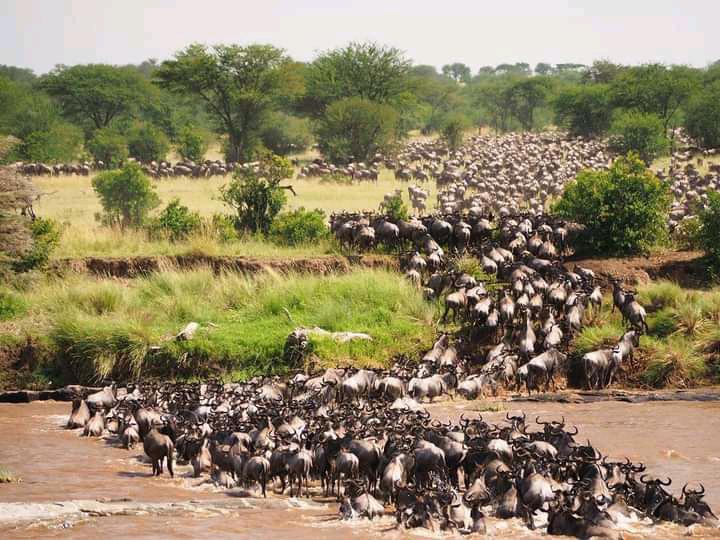
Kenya is mostly known as a typical safari destination in Africa offering breathtaking wildlife viewing experiences in its numerous parks. The annual Great Migration of millions of wildebeests and zebras in the Masai Mara is the highlight of a typical Kenya safari.
What to do and see on a Kenya safari
1. Top Wildlife Destinations (What to See)
- Masai Mara National Reserve: The jewel of Kenya’s wildlife. It is famous for the presence of the Big Five (lion, leopard, elephant, buffalo, rhino). The reserve also features the Great Migration, the annual crossing of the Mara River by millions of wildebeest and zebra, which typically peaks from July to October.
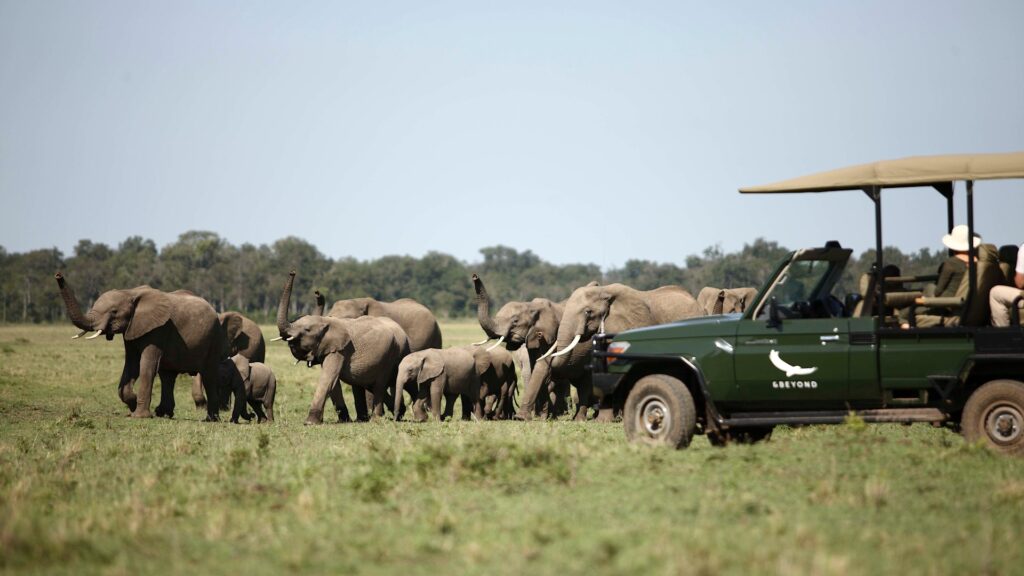
- Amboseli National Park: Known for its massive herds of elephants with big tusks alongside other big game and the iconic backdrop of the beautiful Mount Kilimanjaro. One of its unique features is offering visitors an opportunity to get close to free-ranging elephants.
- Lake Nakuru National Park: It is mostly famous for its rhino sanctuary (both black and white rhinos) and birdlife. It is also a hotspot for flamingos though their numbers can fluctuate due to water levels but visitors are guaranteed sighting them. The park remains a top spot for seeing endangered rhinos easily.
- Tsavo East & West National Parks: Together, these form one of the world’s largest protected areas. Tsavo East is known for its “red elephants” (dusted in red soil) and vast, flat landscapes, while Tsavo West offers more rugged volcanic scenery, including the Mzima Springs.
- Samburu National Reserve: Located in the arid north, this reserve is home to the “Samburu Special Five,” rare animals found only in this region which include the Grevy’s zebra, Somali ostrich, reticulated giraffe, gerenuk (long-necked antelope), and beisa oryx.
- Ol Pejeta Conservancy: A pioneer in conservation, this sanctuary is the only place to see chimpanzees in Kenya and the last two northern white rhinos on earth.
2. Activities on a Kenya safari (What to Do)
- Hot Air Balloon Safari: Floating over the Masai Mara at sunrise is a bucket-list experience. It offers a unique perspective of the vast plains and usually ends with a champagne bush breakfast.
- Walking Safaris: These offer an alternative to game drives in national parks where you must stay in the vehicle, private conservancies (like those bordering the Mara or in Laikipia) allow guided walking safaris. This enables visitors focus on small details like tracks, insects, plants and small animals.
- Night Game Drives: This is also restricted to private conservancies (e.g., Mara Naboisho, Ol Pejeta). This is your only chance to see nocturnal hunters like lions on the prowl, leopards, aardvarks, and bush babies.
- Breakfast with Giraffes: This happens at the famous Giraffe Manor in Nairobi. Witness resident Rothschild’s giraffes as they poke their heads through the windows for treats.
- Climb Mount Kenya: Africa’s second-highest peak offers a less crowded, more scenic trekking alternative to Kilimanjaro. The trek takes 3-5 days.
3. Cultural Experiences in Kenya
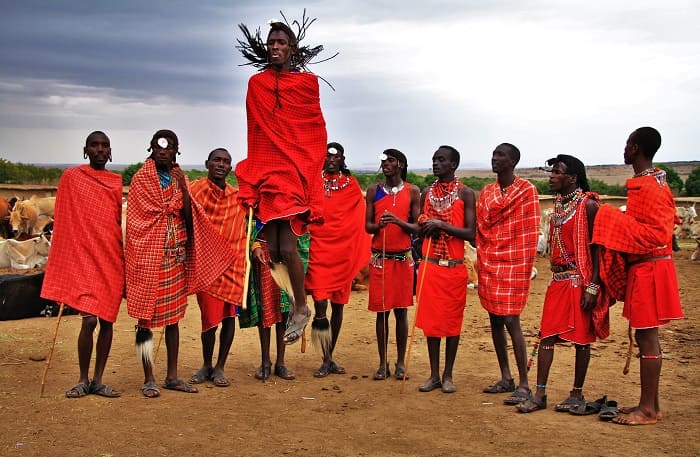
- Maasai Village Visit: Visit a traditional Manyatta to learn about the Maasai way of life, see their beadwork, and get enthralled as you watch the adumu (jumping dance).
- Samburu “Singing Wells”: In the dry season, Samburu warriors dig deep wells in dry riverbeds and sing distinct songs to call their individual cattle to drink. This is a sensitive tradition and it is recommended you go with a local guide and seek permission before taking photos.
- Swahili Coastal Culture: After the bush, head to the coast. Explore Lamu Old Town (a UNESCO World Heritage site with no cars, only donkeys) or Mombasa’s Fort Jesus to experience the blend of African, Arab, and Portuguese history.
4. Best Time to go for a Kenya safari
- Great Migration: This happens in the high season of July – October.
- Bird Watching: It is conducive in October – April when migratory birds arrive from Europe and North Africa.
- Diving & Snorkeling: This sea adventure happens in October – March when the waters are calmest and clearest while whale sharks are often seen in Jan–Mar.
- Hiking/Climbing: The mountainous experiences take place in the driest months of January – February and July – September.
5. What you should know before going for a Kenya safari
- Plastic Bag Ban: Kenya has a strict ban on single-use plastic bags. Do not bring them into the country (including duty-free bags or Ziploc bags for toiletries); you can face heavy fines. Use cloth or mesh bags instead.
- Packing List: Layers recommended since mornings and evenings on game drives can be surprisingly cold, while midday is hot. Stick to neutral colors (khaki, beige, green) to blend in; avoid dark blue/black (attracts tsetse flies) and bright red (animals perceive it as a threat).
- Visas: Kenya has an eVisa for visitors obtained online before travel. Ensure to apply in advance.
- Currency: The Kenyan Shilling (KES) is the local currency, but US Dollars (printed after 2009) are widely accepted for park fees and tips.